Most event sites take a month because most of that month is meetings. We skip that part. You send what you already know — the date, the feeling, the colours, what you want people to do — and the site is live before you have finished deciding the rest. The parts you have not decided show up on the page as to confirm instead of being invented.
From a client’s brief email to the site being live. Thursday 2:31 PM → Friday 10:18 AM. Most of that was overnight. It is the slow one — it was the first of its kind. The next one reuses the engine.
Virgo Season, Charlotte — the week the site above was built for.
The film at the top of this page is the other half of this. Same bargain as the site: you send what the night is supposed to feel like, and the thing people actually open comes back finished. AI-assisted production is what makes that reachable — no crew day, no location hire, no six-week post.
Nine lines. Palette, photography, two pages, a dress code, and one requirement the client called crucial: entry is a donation. No call, no discovery workshop, no deck.
The client had listed five he liked. All five were available; the shortest one won.
Four pages, three working forms, a countdown, and every fact he hadn't decided yet showing as a visible 'to confirm' chip rather than a guess.
Venue, city, beneficiary and payment link were still open. They were knobs in the generator, so each one is a one-line change — not a redesign.
The email that produced the site above was nine lines long. This is what was in it. If you can answer most of these in one sitting, you have given us enough — and anything you leave blank becomes a visible chip on the page rather than a delay.
A 40th. A season of watch parties. A launch. One line is enough.
Dates you know. The ones you don't become a 'to confirm' chip.
“Glamorous, bold, high-end” was one client's whole brand brief. It worked.
Three or four. If you don't have them, we derive them from the event itself.
Usually two to four. A night, a main event, a way to say yes.
RSVP, ticket, donation, door list — what do you want a visitor to actually do?
Or not. A missing image renders as a designed panel, never a broken one.
Not mockups and not case studies written after the fact. These are sites we built, deployed and still operate — including the one you are reading, which was built with the same generator it is describing.
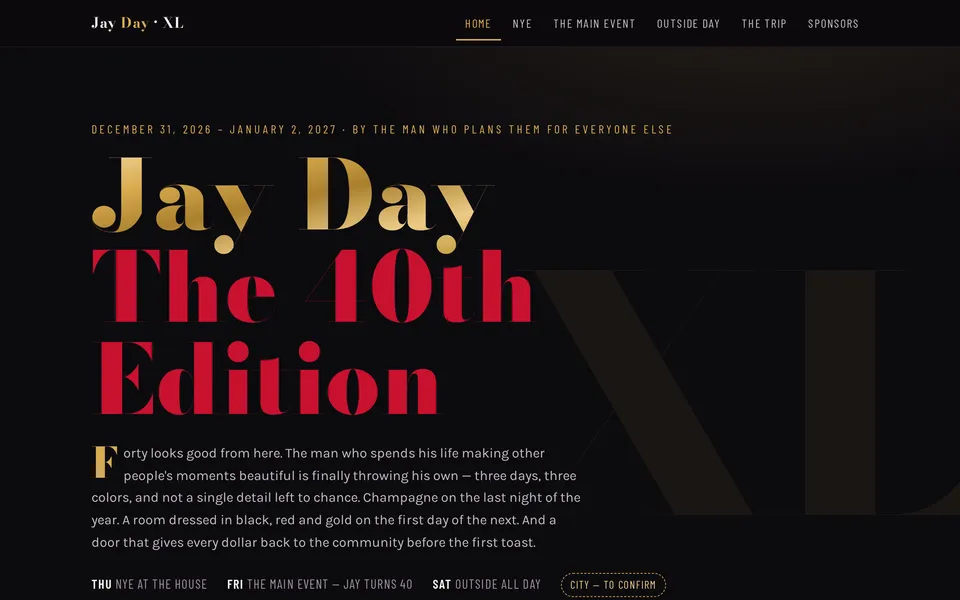
A 40th birthday, NYE weekend
Brief by email Thursday, live Friday. Door list, group trip and sponsor forms; a live countdown to midnight; every undecided fact visible as a chip.
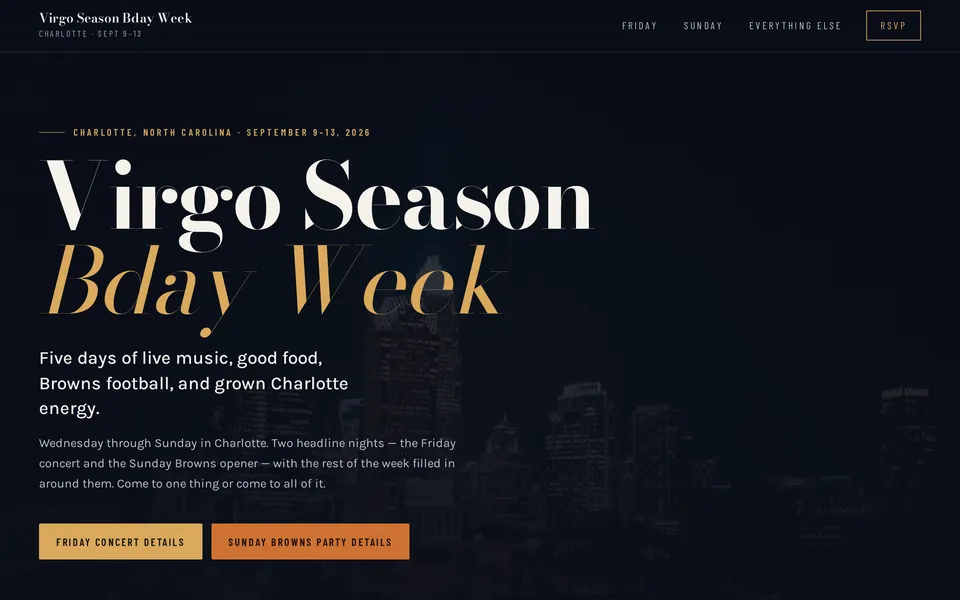
A five-day birthday week
Two headline nights and an undercard, a programme card for everything else, a second page for the close circle, and one RSVP form serving both. This site is built in its mould.
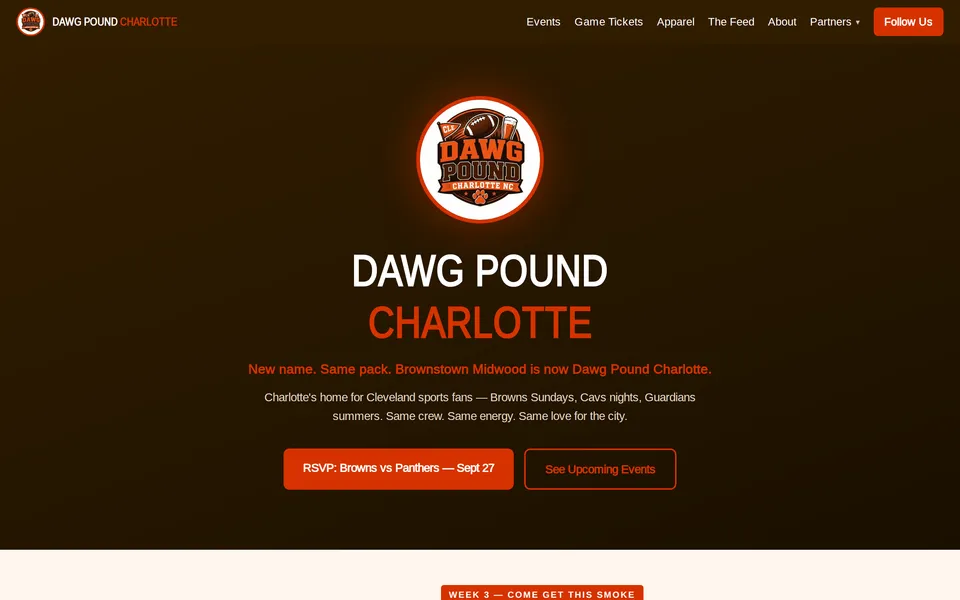
A recurring series, every Sunday
Ticketing wired to Eventbrite, the schedule pulled from the season fixture list, and a printable game-day kit — backdrop, member cards, specials menu — generated from the same source as the pages.
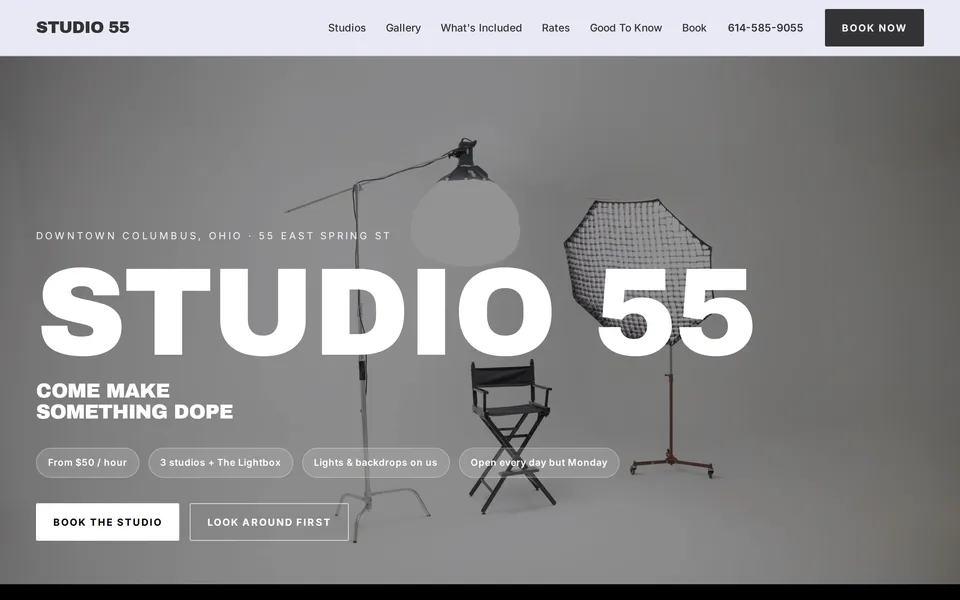
A venue
The room as the argument. Built as a preview, noindexed, handed over before a dollar changed hands.
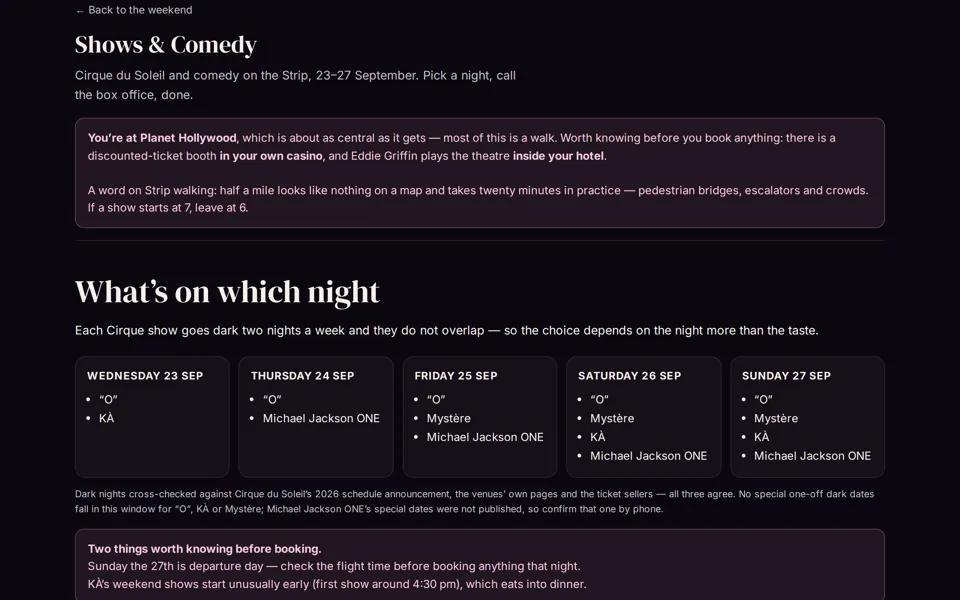
A five-day trip, delivered the day before
Day tabs that open on the right day in Las Vegas wherever you are, a checklist that saves to the phone, and a shows page that works out which Cirque productions actually run on each night of the trip. Private, so it carries a real mobile number and a login instead of an index.
Private — password protected at the client’s request.
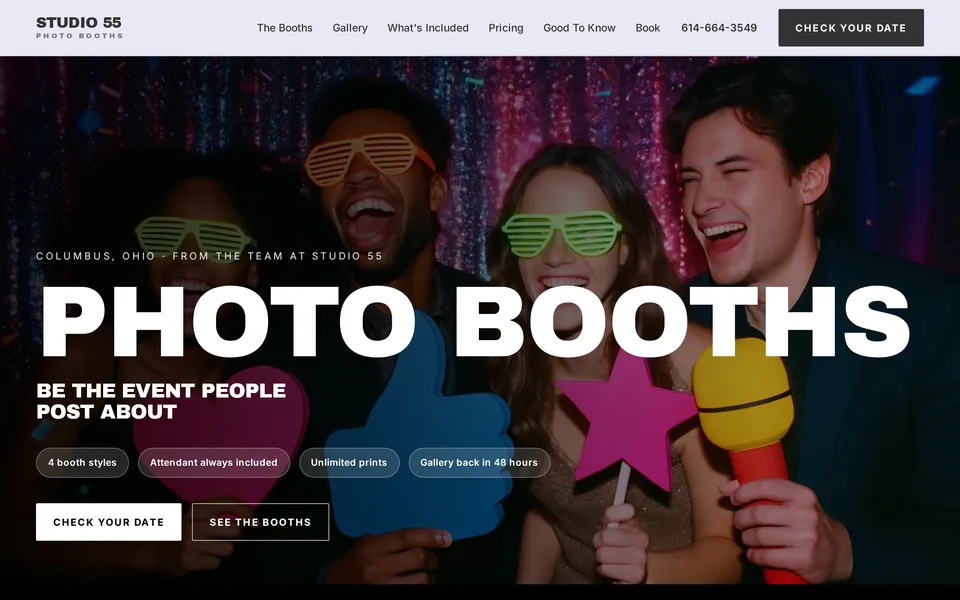
An avatar we generated, scripted and cut in-house. The event sites and this are the same machine — a brief in, a finished thing out, fast enough that you stop planning around the production time.
No. Every site here is generated from its own file, and the design argument comes from what the event actually is. A birthday concert week got built like a gig poster. A 40th got built like an invitation. A football season got built like a fixture list. A template would have made all three look the same.
Then the venue shows as “to confirm” on the live page. That is a deliberate rule and it is enforced in the build: an unknown fact is never filled in with something plausible. You can send a page to people while half of it is still open.
You do. It is your domain, your forms, your list. Nothing is locked to us.
Yes — films, recap cuts, vertical edits for stories, and presenter-avatar explainers. Most of the sites above have one.
Write it the way you would text a friend about the event. There is no wrong format — the last one was nine lines in an email and it was plenty.